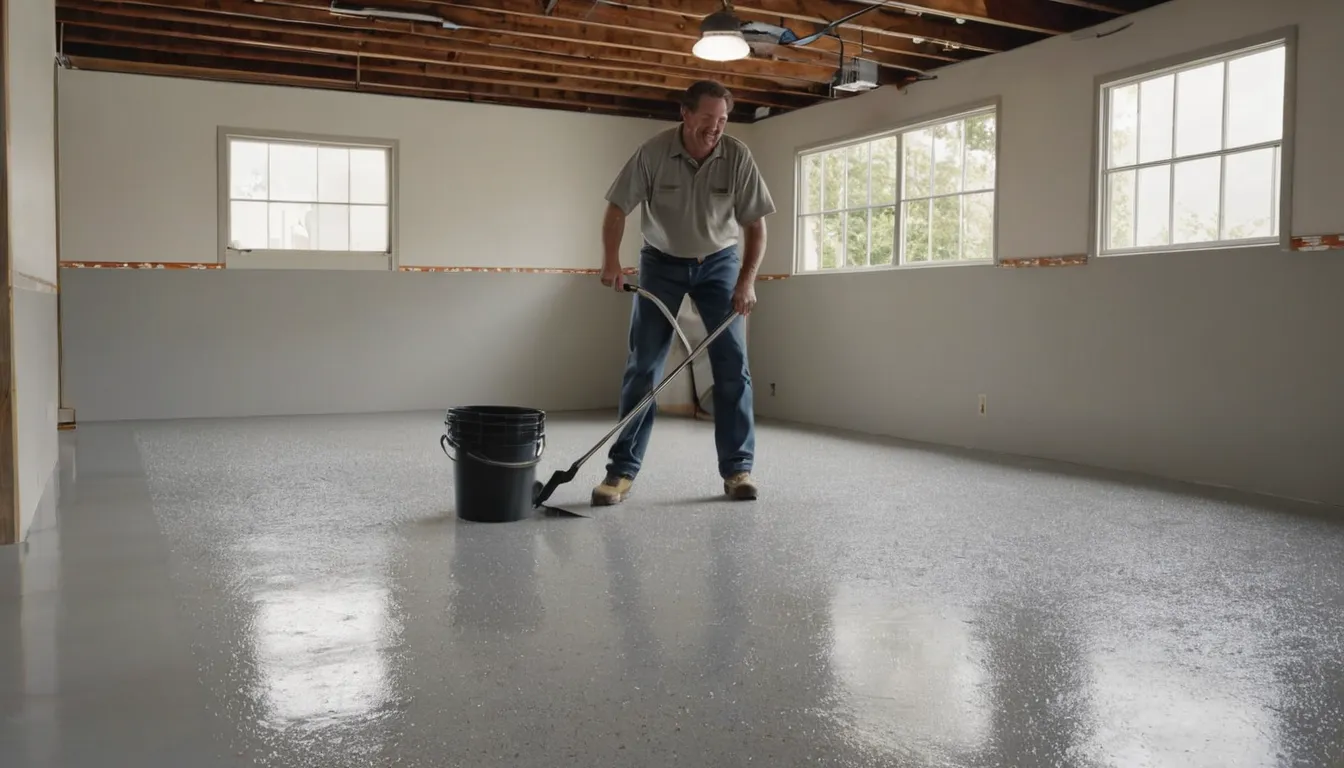
Epoxy Garage Floors
Epoxy garage floors last when the slab is checked first, prepped well and coated in the right season.
Think a garage floor coating is just fancy paint? It is more than that. Request an estimate and get matched with an independent local provider who starts with your slab.
No obligation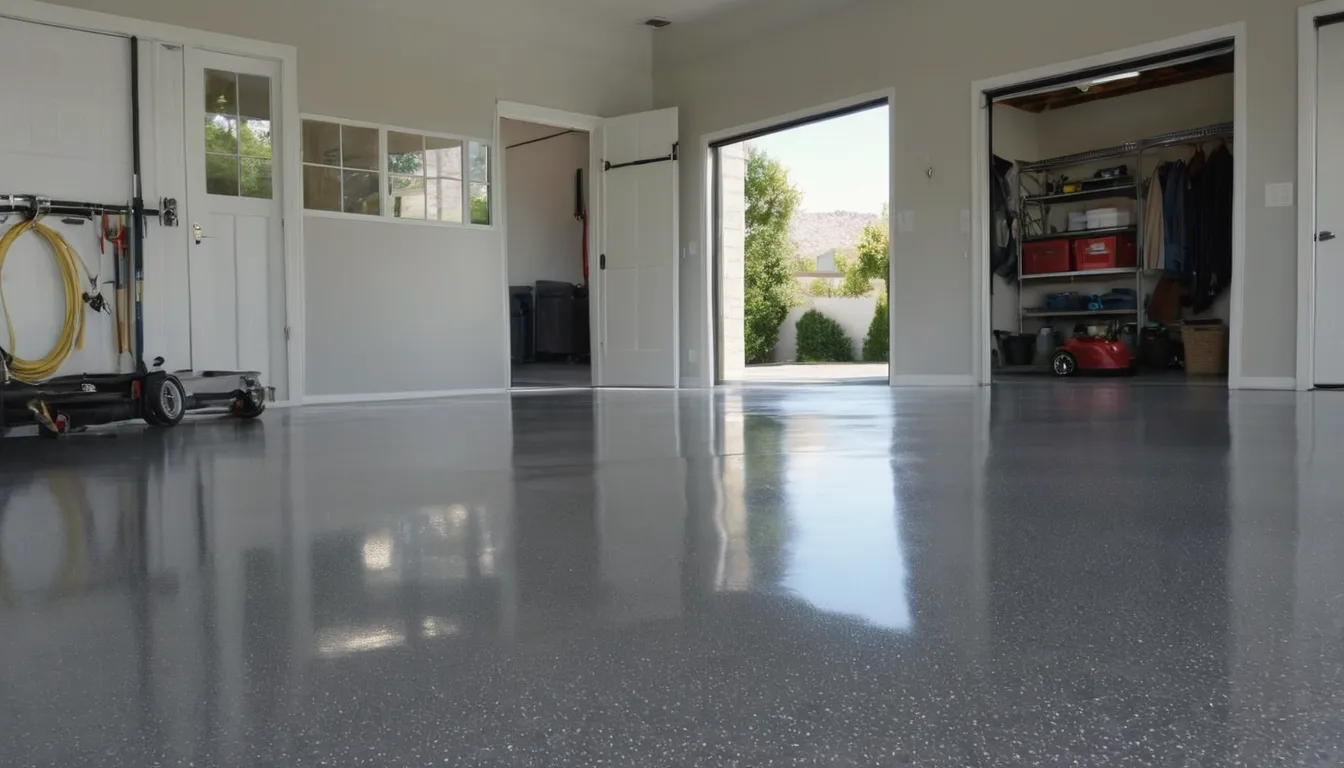
A lot of people think a garage floor coating is just paint with a fancy name. In practice, the coating is the easy part. The slab underneath decides whether it lasts.
Speakingenjoy Floor Coating is a referral service for homeowners in Westland, MI. We do not coat floors ourselves. We match you with an independent provider in our network who does. You tell us about your floor, and a local provider reaches out to talk about an estimate.
Maybe your garage slab is cracked, stained with oil, or flaking from an old paint job. Maybe you live in an older house and wonder what is hiding under that patched concrete. Those are good questions. Providers in our network run into these every season.
Start with a short request. It takes about a minute, and there is no obligation.
Prefer to talk it through? Request a callback to check provider availability. Call hours vary by provider.
Speakingenjoy Floor Coating is a referral service. Homeowners in Westland and the Westland area send us a few details about a floor. We pass the request to independent providers in our network. A local provider then follows up, talks through the job and gives you an estimate. The provider does the work, writes the agreement and answers for it.
That keeps things honest. We are not a contractor, and we do not send crews. We simply shorten the search.
Many people with older houses assume a worn slab rules out a coating. Usually it does not. It does mean prep matters more. A frame house or bungalow from many decades back may have a garage slab with hairline cracks, patched corners, old paint, or a sealer nobody remembers. A careful provider checks for all of it before quoting.
Hidden surprises are normal in older homes. Moisture can wick up through thin or aging concrete. Past repairs may use patch material that bonds differently. Grease can soak in deep. Providers in our network test, grind and repair first, so the new floor has something solid to hold onto.
Cold winters with deep frost move slabs and open cracks. Hot, humid summers can slow curing and raise moisture worries. Spring flooding and sump pump season can leave concrete damp. So timing is part of the plan. Ask each provider which coating suits your slab and when it can go down. Some polyaspartic systems, for example, can cure in cooler weather than many epoxies.
Speakingenjoy Floor Coating covers Westland and the Westland area. The homes here are a mix. You will find ranch homes and bungalows with attached garages, frame houses that have stood for many decades, and full basements with sump pumps humming below.
Each of these has its own floor story. A ranch garage slab may be smooth and fairly modern. A bungalow from the middle of the last century may have a slab that has settled and been patched twice. A basement floor may need a closer look at moisture before anyone rolls on a coating.
Providers in our network know these houses. They also know the local weather: deep frost in winter, heavy humidity in summer, hail and thunderstorms, and spring water that finds its way in. That local sense helps them plan prep, product choice and timing.
If you are not sure your floor qualifies, send a request anyway. A provider can look at it and tell you plainly.
You can also request a callback to ask about provider availability in your part of the area.
Paint sits on top and can peel under hot tires. A true epoxy system is a thicker coating that bonds to prepared concrete. The key word is prepared. Providers typically grind or etch the slab first. That step does more for the finish than the color you pick.
It does not. Cracks, spalling and soft spots can show through or fail again. A provider will usually repair them first. In older homes, this is the step that surprises people most, so ask what repairs are in the estimate.
Not always. Polyaspartic coatings can cure fast and resist sunlight well. Epoxy can be a solid, practical choice for many garages. The right pick depends on your slab, your schedule and your budget. A provider can compare both for your floor.
Concrete holds water longer than it looks. After spring flooding or a heavy sump pump season, a slab may need time and testing before it is ready. Coating over damp concrete can lead to bubbles and peeling.
Heat and humidity can change how a coating flows and cures. Many providers plan around the weather, often choosing mild mornings or milder weeks. Ask how your provider handles timing.
Looks are a nice bonus. A coating also helps with oil stains, road salt from winter, and easier sweeping. After a hail storm leaves a wet, muddy garage, you will notice the difference.
Some providers in our network also handle concrete coating for basements and porches, custom floor finishes, and even hardwood flooring installation. Mention it when you send your request, and we will try to match you with a provider who fits the job.
Typical U.S. ranges for coating a garage floor vary widely by job. Slab condition, prep, system and size all matter. Always ask for a written quote so you can compare.
Ready to find out what your floor needs? Send a short request, and a provider in our network will follow up. You can ask about prep, coating types, timing and older-home concerns. There is no obligation.
If you would rather talk, request a callback to check provider availability.
Tell us about your floor and request an estimate. A provider in our network will follow up with next steps. There is no obligation.
No obligationFor many homeowners, yes. A well-prepped epoxy coating can make a garage floor easier to clean and more resistant to oil, salt and tire marks. Results depend heavily on slab prep and moisture, so ask a provider to explain what your slab needs and get a written quote.
Often yes, after repairs. A provider will usually fill cracks, patch damaged spots and grind the surface first. Very damaged slabs may need more work. An inspection and written estimate will tell you what is realistic.
Both are protective coatings for concrete. Epoxy is a common, practical option. Polyaspartic can cure faster and handle sunlight well. The right choice depends on your slab, timing and budget, so ask a provider to compare them.
Mild, dry weather usually helps. Extreme cold, high humidity or a damp slab can cause problems. Ask providers about timing in your area and how they test moisture first.
No. Speakingenjoy Floor Coating is a referral service. We connect you with independent local providers in our network. The provider does the work, sets the terms and gives you the estimate.
We refer you to independent local providers. We do not do the work, so the advice you get stays focused on your floor.
Aging slabs, old patches and surprise moisture are normal. Providers here plan for them.
Frost, humidity, hail and spring water all affect coating jobs. Providers can help you pick a good window.
Start with a simple request. Compare written quotes at your own pace, with no obligation.
Share the garage size, the floor's age and any cracks, stains or damp spots.
A local provider in our network reaches out to talk through the details.
Compare the system, prep steps, topcoat and timing in a straight written estimate.
The independent provider schedules a season-smart date and completes the floor coating.
Most homeowners start with one of two choices: classic epoxy garage floors, or a polyaspartic floor coating. Each suits different slabs, schedules and budgets. A provider in our network can explain which one fits your floor.
Epoxy garage floors last when the slab is checked first, prepped well and coated in the right season.
Polyaspartic coatings cure fast and resist sunlight, and a local provider in our network can tell you if your slab is ready.
Tell us about your floor and request an estimate. A provider in our network will follow up with next steps. There is no obligation.
No obligation